
Low Libido
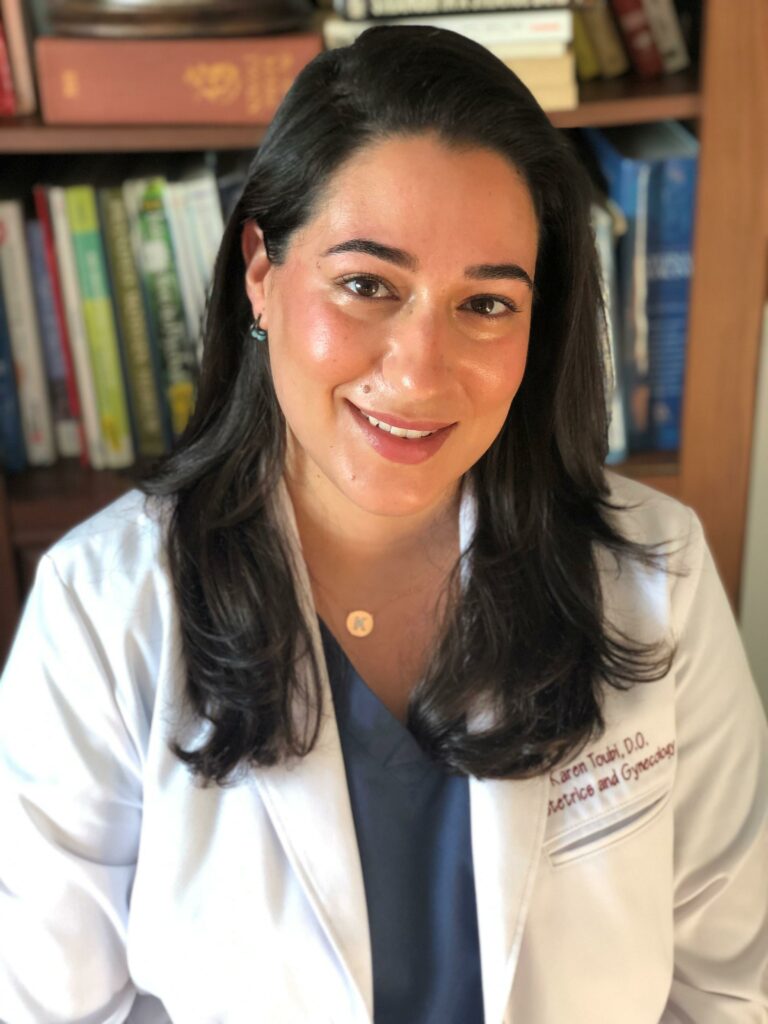
Rediscover passion and rejuvenate your intimacy with the expert care of Dr. Karen Toubi, a distinguished OB/GYN in Beverly Hills. Dr. Toubi specializes in the comprehensive management and treatment of Hypoactive Sexual Desire Disorder (HSDD), guiding you toward a vibrant and fulfilling intimate life.
Understanding Hypoactive Sexual Desire Disorder (HSDD):
Hypoactive-sexual Desire Disorder is characterized by a distressing persistent or recurring lack of interest in sexual activity or fantasies. This condition can profoundly affect relationships, self-esteem, and overall quality of life. Dr. Toubi approaches HSDD with empathy, understanding, and evidence-based interventions to restore and rekindle desire.
Journey to Rediscovering Desire
You don’t need to navigate the challenges of HSDD alone. Dr. Karen Toubi’s expertise and compassionate care provide the guidance and solutions you need to reclaim your intimate life.
Female sexual dysfunction is influenced by numerous factors, including physical, psychological, and social elements. HSDD may occur as a consequence of a drug side effect. The use of selective serotonin reuptake inhibitors (SSRI) and certain antihypertensive medications are common agents that may induce a state of HSDD. Emotional, physical, life experiences, personal or religious beliefs, socialization, perimenopause, menopause, and the current partnership can all contribute to a woman’s sex drive.
HSDD can occur in any age group and life stage. There is no such thing as being “too young” to experience HSDD or “too old” for HSDD to matter. While many women continue to enjoy sexual intimacy throughout their lives, others may find that their sexual desire wanes and sex may begin to feel like a chore. Relationship issues may also arise as a result of these changes.
Some common conflicts that women experience leading to a decreased interest in sex include a lack of intimate connection with their partner, pain with intercourse, conflicts over sexual needs, and reluctance to discuss the decrease in sexual activity with their partner.
Talking to Your Gynecologist About Intimacy Issues:
Your emotional and sexual health is just as vital as your physical health, and it’s essential to communicate openly with your doctor. While it may initially feel awkward and uncomfortable, discussing concerns like sexual satisfaction and emotional connection is entirely appropriate, and Dr. Karen Toubi will make you feel comfortable and is ready to help.
Remember that sexual medicine physicians are not judgmental, and all interactions between patients and doctors are kept strictly confidential.
Questions to Ask Your Gynecologist About Female Sexual Dysfunction:
Here are a few common questions that patients have found helpful to ask:
- What treatments are available to address my low sexual desire?
- Is it possible for my sexual desire to return to its previous level?
- Are there any adjustments I can make to my daily routine to improve my sex drive?
- Dr. Toubi may inquire about your sexual response and sex life, including any challenges with arousal or orgasm, vaginal dryness, pain or discomfort during sex, and your feelings about the changes in your sex life.
Dr. Toubi frequently adjusts current medications together with your other physicians and she uses an array of medications at her disposal such as Addyi, Vyleesi and hormone therapy to help achieve your libido goals.
Benefits of Seeking Treatment with Dr. Karen Toubi:
- Dr. Toubi conducts comprehensive evaluations to understand the cause of the condition.
- Individualized treatment plans are crafted to align with your unique needs.
- A secure, understanding, and confidential space is provided for you to voice your concerns.
- Dr. Toubi utilizes a combination of medical interventions, therapy, and lifestyle recommendations to address HSDD comprehensively.
